Standing Rock Sioux Tribe Takes #NODAPL to the United Nations
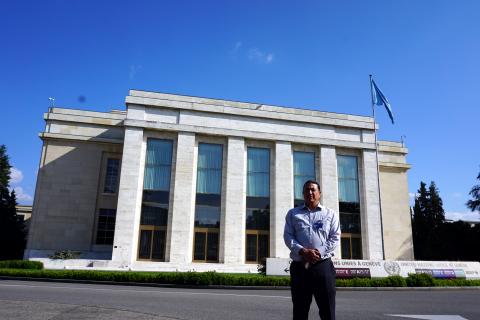
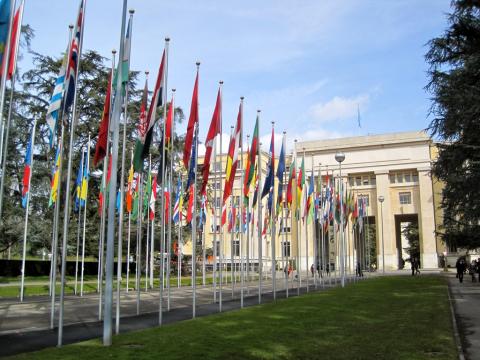
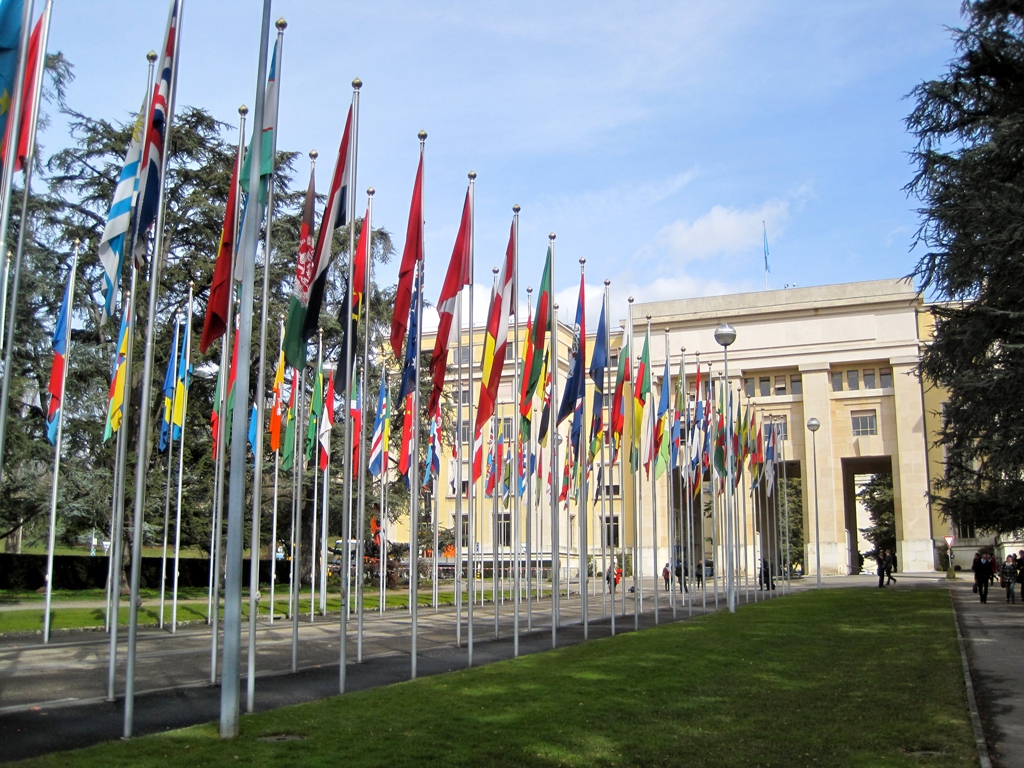
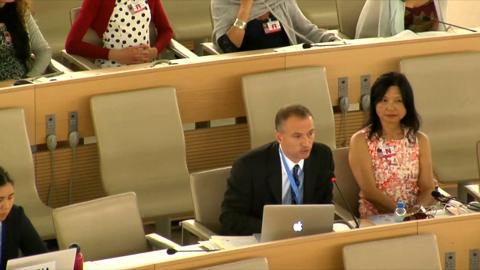
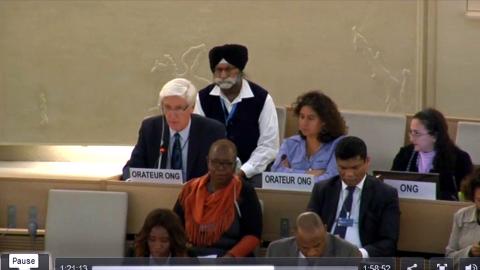
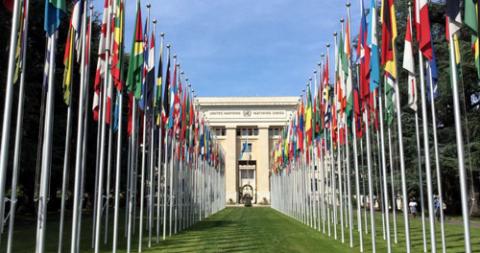
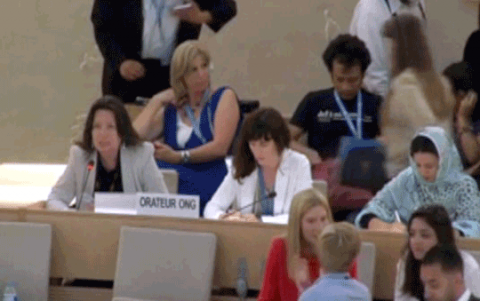
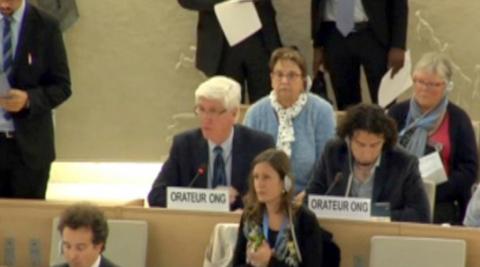
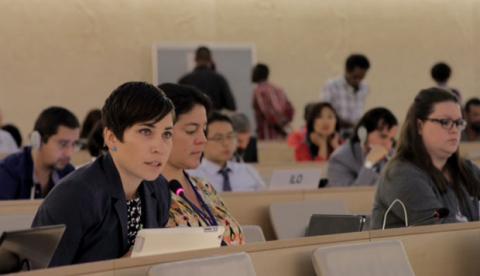
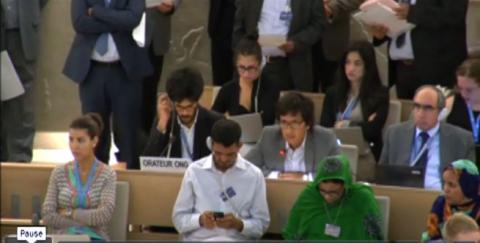
Representatives from the Standing Rock Sioux Tribe in North Dakota addressed the United Nations Human Rights Council in Geneva, Switzerland, today to garner international opposition to the construction of the Dakota Access Pipeline near the reservation.
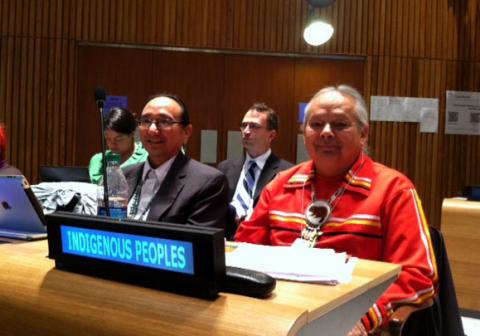
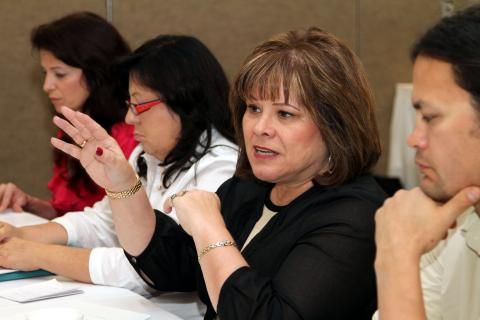
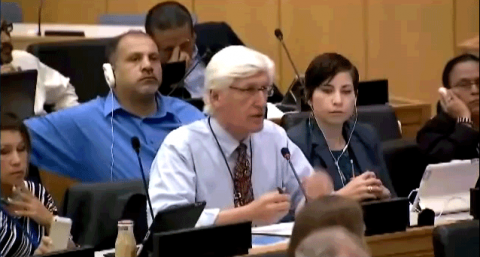
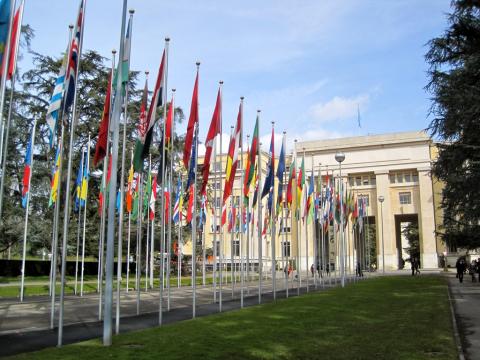
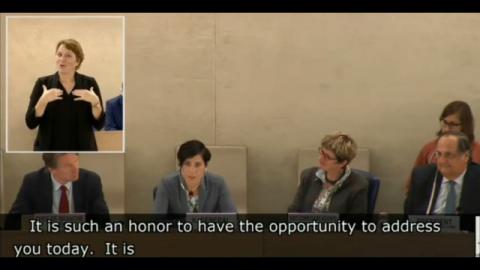
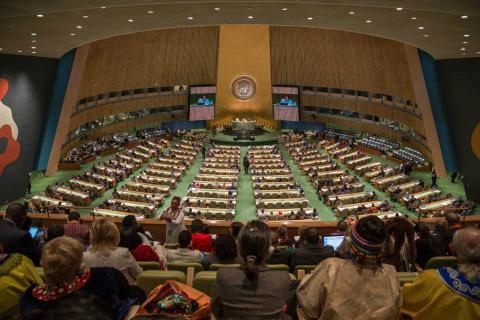
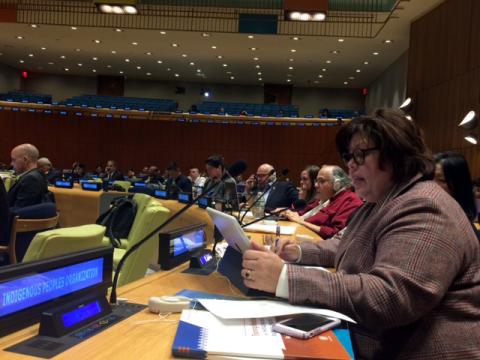
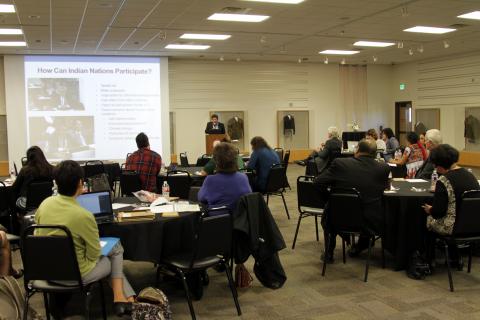
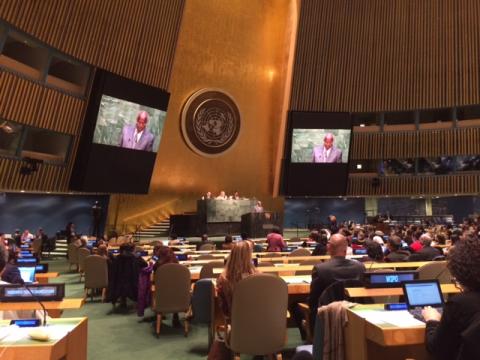
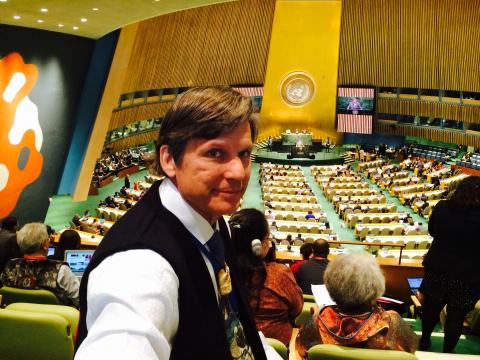
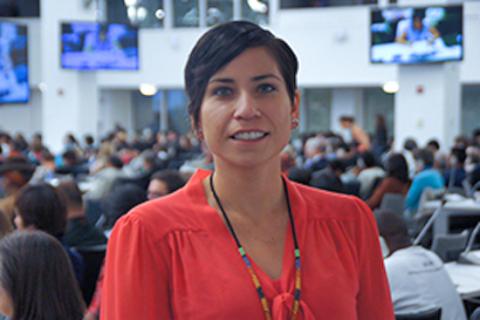
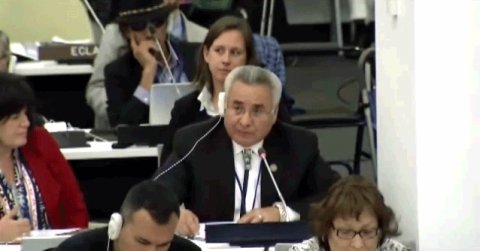
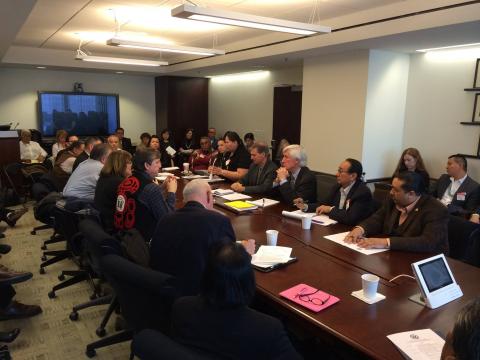
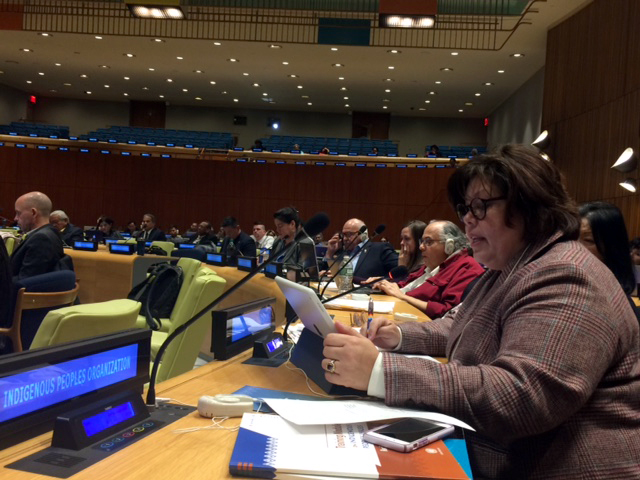 (New York City, NY) — Indigenous leaders from across the United States and the world gathered in New York December 14-15, 2016, to participate in a consultation with the United Nations General Assembly on how to strengthen the participation of indigenous governments at the United Nations.
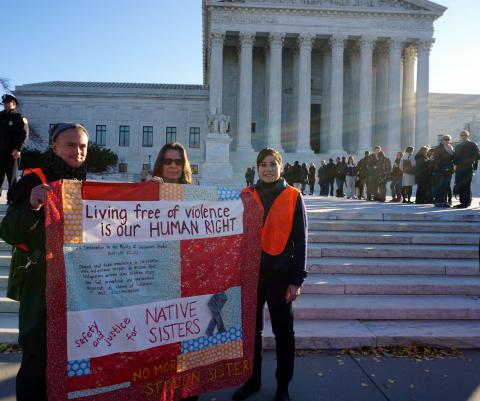
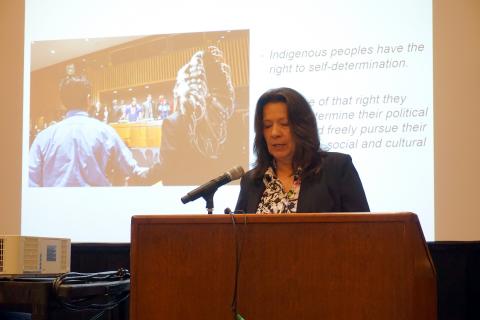
 Four years ago, on December 16, 2010, when the United States issued its statement of support for the UN Declaration on the Rights of Indigenous Peoples, it joined the world community in welcoming a new era of human rights.
 Preparations for the UN World Conference on Indigenous Peoples continue and the Center remains committed to supporting tribal nations and indigenous peoples to achieve lasting measures to improve the lives of indigenous peoples.